
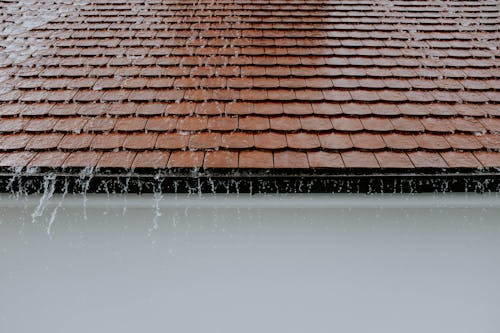
Few things cause panic faster than water dripping from the ceiling in the middle of the night. A roof leak feels urgent, expensive, and stressful—and the first thought most homeowners have is whether insurance will help or leave them on their own.
The honest answer isn’t a simple yes or no. Homeowners insurance can cover roof leaks, but only under specific conditions. Understanding what those conditions are—and where insurers draw the line—can save you time, money, and frustration when it matters most.
The Simple Rule: Cause Matters More Than the Leak
Homeowners insurance is designed to cover sudden, accidental damage, not problems that develop slowly over time. That single principle explains nearly every roof leak decision an insurance company makes.
If something unexpected damages your roof and causes water to enter your home, coverage is likely. If the leak happens because your roof is old, worn out, or poorly maintained, insurance usually won’t pay.
It’s not about where the water came in—it’s about why it happened.
When Homeowners Insurance Typically Covers Roof Leaks
Your policy covers roof leaks caused by specific “covered perils.” These are events listed in your policy that insurers agree to protect against.
Storm Damage
Wind and hail are the most common covered causes of roof leaks. If strong winds tear off shingles or hail damages roofing materials, allowing water inside, insurance usually covers:
- Roof repairs or replacement
- Interior water damage caused by the leak
Major storms, hurricanes, tornadoes, and severe thunderstorms all fall under this category. Hail damage is especially important—small impacts can crack shingles in ways that aren’t obvious until leaks appear later.
Falling Objects
If a tree, large branch, or other object falls onto your roof and creates a leak, coverage generally applies. This includes storm-related debris and unexpected accidents, as long as the damage wasn’t caused by neglect.
Fire Damage
If a fire compromises your roof and leads to leaks, insurance covers both the fire damage and the resulting water damage. This applies whether the fire starts inside your home or spreads from elsewhere.
Vandalism
Intentional damage to your roof—such as broken shingles or damaged flashing caused by vandalism—is typically covered, including any water damage that follows.
Ice and Snow Weight
In colder climates, heavy snow or ice buildup can damage roofs and cause leaks. Many policies cover this, including damage caused by ice dams, though coverage depends on policy language and roof condition.
When Homeowners Insurance Does Not Cover Roof Leaks
This is where many homeowners get caught off guard.
Wear and Tear
Insurance does not cover leaks caused by aging materials. If your roof has reached the end of its lifespan and starts leaking, repairs are your responsibility.
Insurance isn’t a maintenance plan—it’s protection against unexpected events.
Poor Maintenance
If you ignored missing shingles, clogged gutters, or visible damage and a leak develops, the insurer may deny your claim. Homeowners are expected to maintain their property reasonably.
A well-maintained roof is far more likely to qualify for coverage after a storm than one with obvious, long-standing issues.
Gradual or Hidden Leaks
Slow leaks that develop over weeks, months, or years are often excluded. If water damage has clearly been happening for a long time, insurers usually classify it as preventable maintenance failure.
Improper Installation or Defective Work
Leaks caused by faulty installation or poor workmanship are not covered. In these cases, responsibility usually falls on the contractor, not the insurance company.
Flooding
Standard homeowners insurance does not cover flood damage. If rising water enters your home during a flood—even through the roof—you need a separate flood insurance policy.
The Gray Areas That Depend on Circumstances
Some roof leak claims fall into a middle zone where coverage depends on details.
Storm Damage on an Older Roof
If a storm damages an aging roof, insurance may still cover it—but payouts are often reduced. Insurers may apply depreciation or only cover part of the repair, especially if the roof was near the end of its life.
Small Existing Problems Made Worse by a Storm
If a storm clearly caused new, sudden damage that worsened a minor existing issue, coverage may apply to the new damage. Strong documentation is critical in these situations.
Flashing Failures
Flashing leaks are covered if wind or impact damage caused the failure. They’re not covered if flashing simply corroded or was installed incorrectly.
How Policy Details Affect Roof Leak Coverage
Two homeowners with the same leak can receive very different payouts depending on their policy.
Replacement Cost vs. Actual Cash Value
- Replacement cost coverage pays to replace the roof with similar materials, regardless of age.
- Actual cash value coverage deducts depreciation, often leaving you with a much smaller payout.
For roofs, this difference can mean thousands of dollars.
Special Roof Limitations
Some policies reduce coverage once a roof reaches a certain age or limit coverage for specific materials. Always review roof-related endorsements carefully.
How to File a Roof Leak Insurance Claim
If you believe your leak is covered, act quickly and carefully.
- Document everything – Photos, videos, and timestamps matter.
- Prevent further damage – Use buckets, tarps, and move belongings.
- Notify your insurer promptly – Delays can raise red flags.
- Meet the adjuster – Be present and provide your evidence.
- Get independent estimates – A contractor’s report can support your claim.
Avoid permanent repairs until the insurer has inspected the damage.
What to Do If Your Claim Is Denied
A denial isn’t always the final word.
- Request a detailed written explanation
- Review your policy language carefully
- Get an independent inspection
- File an appeal with supporting evidence
- Contact your state insurance department if necessary
For large disputes, a public adjuster or insurance attorney may be worth considering.
How to Avoid Roof Leak Coverage Problems in the Future
Prevention makes claims far easier.
- Schedule regular roof inspections
- Fix small issues immediately
- Keep records of repairs and inspections
- Know your roof’s age and material
- Review your coverage annually
Insurance companies are far more cooperative when a roof is clearly well maintained.
The Bottom Line
Homeowners insurance can cover roof leaks—but only when the leak is caused by sudden, unexpected damage. Storms, falling objects, fire, and vandalism are usually covered. Aging, neglect, and poor workmanship are not.
The best protection is a combination of proper maintenance, good documentation, and understanding exactly what your policy covers. When a real disaster happens, that knowledge can mean the difference between a paid claim and an expensive denial.
A roof leak is stressful enough. Knowing how insurance really works helps you face the situation with confidence—and avoid unpleasant surprises when you need help the most.
I’m so glad I found this — what an exciting read!
I’m seriously impressed — this post is next-level!