
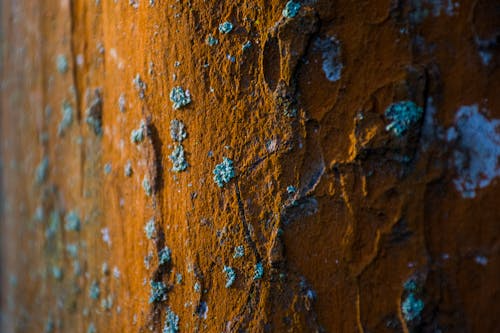
Finding mold in your home can be unsettling. Maybe it’s a dark patch behind furniture, a musty smell that won’t go away, or discoloration creeping along a ceiling or wall. Once the initial shock wears off, most homeowners ask the same question: Will my homeowners insurance cover mold removal?
The answer isn’t a straightforward yes or no. Mold coverage is one of the most confusing—and limited—parts of homeowners insurance. Whether your policy pays depends on what caused the mold, how quickly it developed, and the exact language in your policy.
Let’s break it down clearly, without insurance jargon or surprises.
The Hard Truth About Mold and Insurance
Most standard homeowners insurance policies restrict mold coverage heavily. After massive mold-related claims in past decades, insurers rewrote policies to reduce their exposure. Today, mold is either excluded entirely or covered only in narrow situations with strict payout limits.
Even when mold is covered, most policies cap payouts between $1,000 and $10,000. Serious mold remediation can easily exceed $20,000, which means insurance often covers only a fraction of the cost.
Still, there are situations where mold is covered—and knowing the difference matters.
When Homeowners Insurance Does Cover Mold
Insurance typically covers mold only when it results from a sudden, accidental event that your policy already covers. In other words, mold itself isn’t the trigger—the cause is.
Mold Caused by a Burst Pipe
If a pipe suddenly bursts and floods part of your home, mold that develops as a direct result is usually covered. This includes pipes that burst due to freezing, defects, or unexpected failure.
What matters most is timing. A sudden rupture is covered. A slow drip ignored for months is not.
Mold After Storm Damage
If wind, hail, or a severe storm damages your roof or windows and water gets inside, mold that grows from that intrusion is often covered.
However, delays can kill coverage. If you wait weeks or months to fix storm damage and mold develops later, insurers may deny the claim, arguing it was preventable.
Mold from Appliance Failures
Sudden malfunctions from appliances like washing machines, dishwashers, or water heaters can lead to covered mold claims—if the failure was accidental and not due to neglect.
A ruptured water heater tank? Likely covered. A unit that’s been leaking slowly for months? Probably not.
Mold Related to Fire Suppression
Water damage from firefighting efforts can lead to mold. In these cases, mold is usually covered as part of the fire claim.
Large volumes of water combined with smoke damage often create ideal conditions for mold, which insurers recognize as unavoidable in fire-related losses.
Mold from Accidental Water Overflows
Overflowing bathtubs, toilets, or sinks caused by one-time accidents can result in covered mold claims. Repeated overflows or known plumbing issues generally won’t qualify.
When Homeowners Insurance Does Not Cover Mold
This is where most claims fail.
Mold from Humidity or Condensation
Mold caused by high humidity, poor ventilation, or condensation—especially in bathrooms and basements—is not covered. Insurers view this as a maintenance issue, not an accident.
Mold from Slow or Hidden Leaks
Gradual leaks are one of the most common reasons for denial. If water damage occurred over time, insurance companies typically argue the issue should have been noticed and fixed earlier.
Even if you didn’t know about the leak, proving that can be difficult.
Mold from Flooding
Standard homeowners insurance does not cover flood damage or flood-related mold. You need a separate flood insurance policy for that.
Mold from Foundation or Drainage Problems
Water intrusion due to foundation cracks, poor grading, or failing sump pumps is usually excluded. Basement mold is common—and rarely covered.
Mold from Poor Maintenance
If mold results from neglected repairs, clogged gutters, damaged roofing, or unresolved plumbing issues, insurance will almost certainly deny the claim.
Insurers expect homeowners to take reasonable care of their property.
Pre-Existing Mold
Insurance only covers new mold caused by a covered event. Any mold that existed before the incident is excluded, which is why insurers often scrutinize older homes carefully.
Mold Coverage Limits You Need to Know About
Even approved mold claims usually come with strict limits.
Typical Payout Caps
Most policies limit mold coverage to $1,000–$10,000, with $5,000 being common. Some premium policies offer higher limits, but they’re not standard.
Hidden Conditions
Policies may also include:
- Time limits to report mold
- Restrictions on testing methods
- Limits on certain areas like basements or crawl spaces
- Requirements for professional inspections
These details are often buried in fine print.
Optional Mold Endorsements
Some insurers offer mold coverage add-ons that increase limits to $25,000 or more. These endorsements cost extra but can be worthwhile in humid climates or older homes.
What Mold Remediation Really Costs
Understanding costs helps set expectations.
- Small areas: $500–$2,000
- Medium spread: $2,000–$6,000
- Large infestations: $10,000–$50,000+
- Testing & clearance: $500–$1,500 combined
Extensive mold can require demolition, HVAC cleaning, and rebuilding—not just surface cleaning.
How to File a Mold Insurance Claim Correctly
- Act immediately – Report water damage right away
- Document everything – Photos, videos, and timelines
- Prevent further damage – Dry affected areas fast
- Wait for inspection – Don’t start remediation too soon
- Get professional reports – Independent inspectors help
Starting cleanup before approval can jeopardize your claim unless there’s an urgent health risk.
What to Do If Your Mold Claim Is Denied
Denials are common, but not always final.
- Request a written explanation
- Review the policy language carefully
- Gather expert opinions or new evidence
- File a formal appeal
- Consider a public adjuster for large claims
- Contact your state insurance department if needed
For high-dollar disputes, legal advice may be worthwhile.
How to Prevent Mold—and Insurance Problems
Prevention protects both your health and your wallet.
- Keep humidity between 30–50%
- Fix leaks immediately
- Improve ventilation
- Inspect roofs and plumbing regularly
- Dry water-damaged areas within 24–48 hours
- Keep maintenance records
Insurance is far more cooperative when you can prove responsible home care.
Mold and Your Health
Beyond insurance, mold can cause allergies, respiratory issues, headaches, and fatigue. Some strains produce toxins that are especially dangerous.
If mold is affecting your health, addressing it quickly matters more than coverage decisions.
The Bottom Line
Homeowners insurance covers mold only in limited, specific situations—mainly when it results from sudden, accidental damage like burst pipes or storm-related water intrusion. Most everyday mold problems from humidity, slow leaks, or neglect are not covered.
Know your policy, consider additional mold coverage if appropriate, and focus on prevention. Insurance is a backup plan—not a mold solution. Understanding that reality helps you avoid costly surprises and make smarter decisions for your home.
Your content always brings fresh insight.